

Shadi Noroozi Language Academy
Where Curiosity Leads to Understanding.
Courses, scenario lessons, books, and a daily vocabulary encyclopedia — from foundations to exam readiness.
Led by Shadi Noroozi
About Me
Biography & Research Interests
Biography
I hold a PhD in Teaching English as a Foreign Language (TEFL) from the University of Tehran, with expertise in psychometrics, language assessment, data analysis, and educational measurement design. I have experience lead…
Research Interests
Language Assessment & PsychometricsItem Response Theory (IRT) & Mixture IRT ModelsDifferential Item Functioning (DIF)Generalizability Theory (G-Theory)Cognitive Load & Item DifficultyHigh-Stakes Test Validation
Books
Introductions and reviews of books on language and psychometrics.
No books published yet.
Courses
Courses and pre-registration.

Events
Seminars, workshops, and book clubs.

Seminar2026-10-12
Seminar: DIF Basics
An introduction to differential item functioning in language tests.
Read moreEncyclopedia
Word of the day and vocabulary archive.

Blog
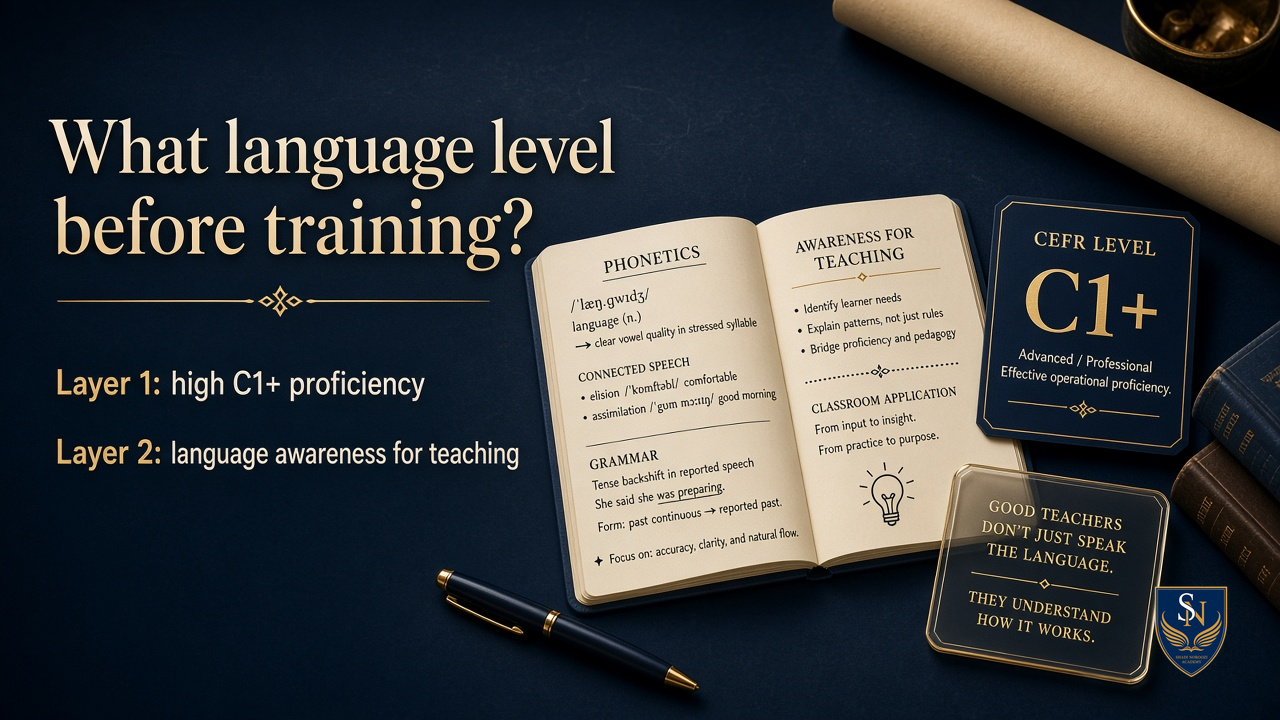
What language level do you need before teacher training?
Cambridge English publishes CELTA entry at high C1 or above and centres assess suitability; a certificate is not always required. Syllabus Topic 2 (language analysis and awareness) adds a second layer: form, meaning, phonology, and teachable examples. Hobbs (2013) warns that short certificates can feel like survival when language load is too high. Ready trainees check both layers before they enrol.
Read more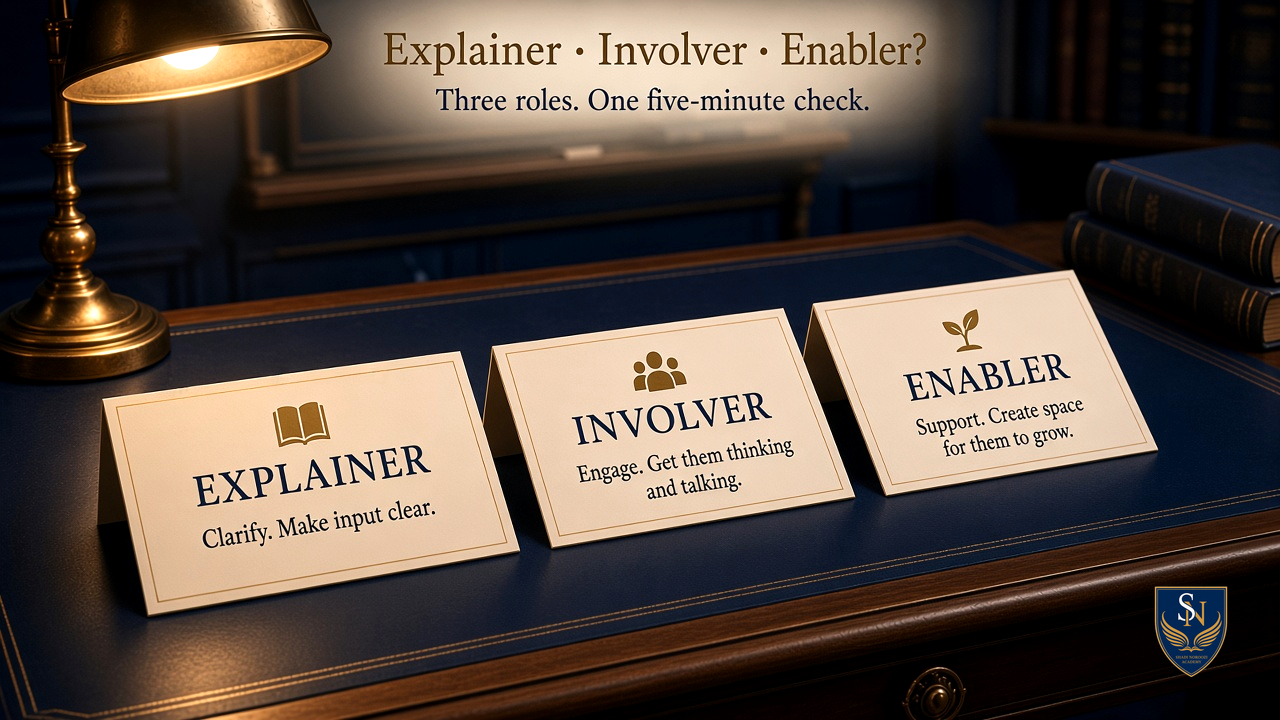
Explainer, involver, or enabler?
Scrivener (2005) names three broad teacher roles: explainer (mainly telling), involver (methodology that pulls learners into work while the teacher steers), and enabler (shared control and conditions for autonomous learning). They are checks, not lifelong labels. A practical TTC move: after one segment, name the dominant role, then redesign one minute toward more learner language use without dropping clarity when it is needed.
Read more
What does it really mean to know a word?
Knowing a word takes more than seeing its translation once: it has three parts, form, meaning and use. Nation (2001) and Schmitt (2000) define word knowledge in these terms and note that understanding usually comes long before being able to use a word. A short self-check (recognising it by ear, spelling, meaning, making a sentence, collocation) shows the weakest part of each word, so you can practise that instead of rereading the translation.
Read moreContact Me
Leave a message for collaboration or consultation